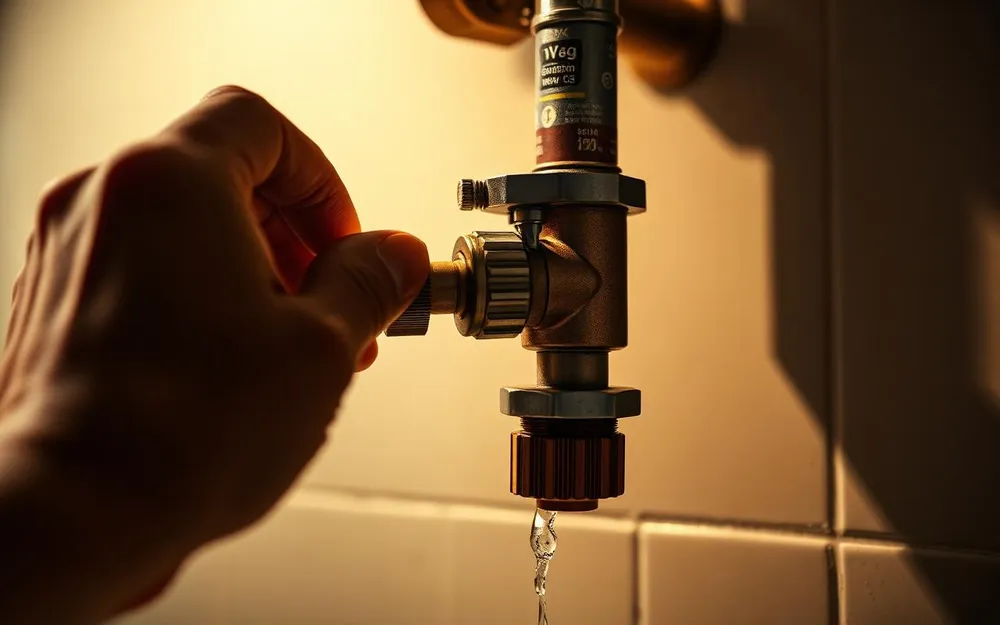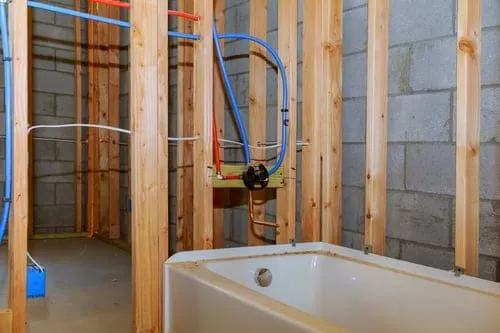
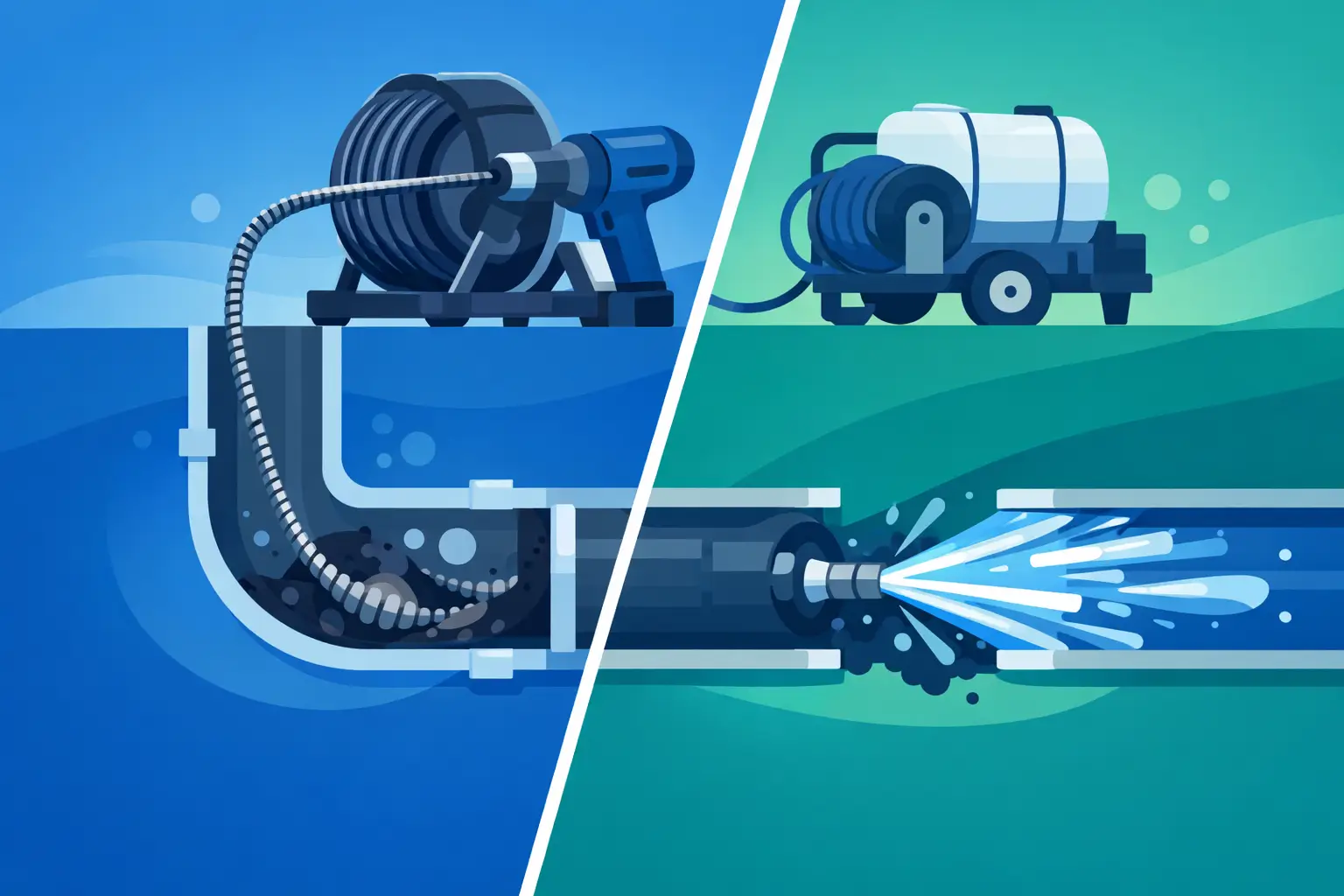
A slow kitchen sink can turn into standing water by dinner. A shower drain that gurgles today may back up onto the bathroom floor tomorrow. When a drain needs professional clearing, drain snaking versus hydro jetting is not simply a question of which tool is stronger. The right choice depends on what is blocking the line, where the blockage sits, and whether the pipe can safely handle the cleaning method.
A qualified plumber should diagnose the problem before choosing a method. That protects your plumbing, avoids unnecessary work, and gives you a better chance of solving the actual cause instead of getting a few days of relief.
Drain Snaking Versus Hydro Jetting: The Main Difference
Drain snaking uses a flexible cable with a cutting or retrieval head. The plumber feeds the cable through the drain and works it into the clog. Depending on the head used, the snake can break apart a blockage, cut through roots, pull out hair, or open a path for water to flow again.
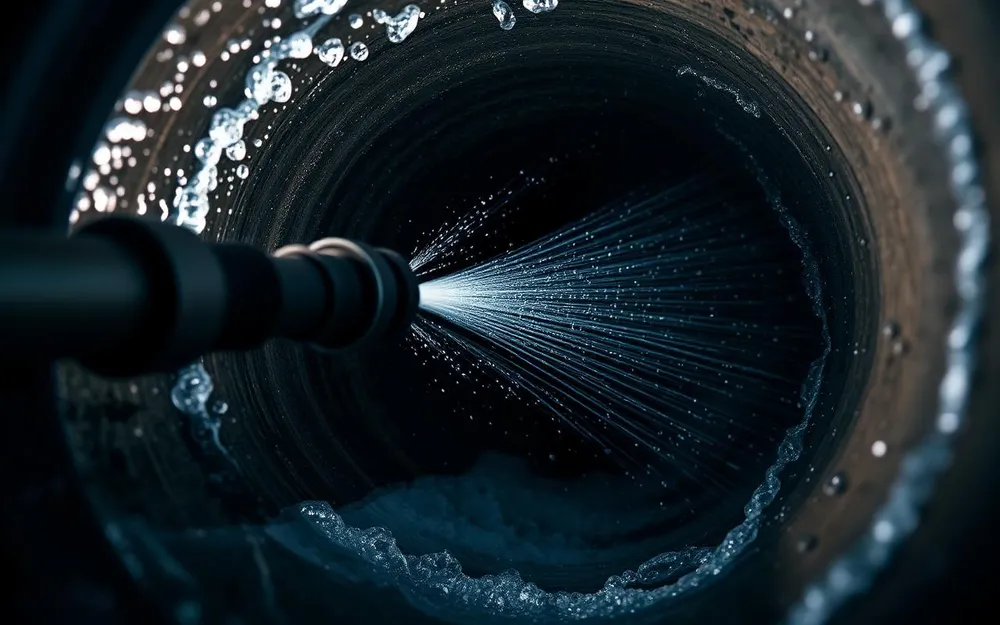
Hydro jetting uses high-pressure water sent through a specialized hose and nozzle. The water scours the inside of the pipe, flushing loosened grease, sludge, scale, and debris out of the line. Rather than making a narrow opening through a clog, hydro jetting is designed to clean much more of the pipe wall.
Both methods are professional drain-clearing services. Neither is automatically the better answer for every home or commercial property. A simple clog near one fixture often responds well to snaking. A recurring backup caused by heavy buildup farther down the line may call for hydro jetting.
When Drain Snaking Is the Better Choice
Drain snaking is often the practical first option for a localized obstruction. It is effective when a bathroom sink, tub, shower, or toilet has a clog caused by hair, paper, soap residue, or a small foreign object. A snake can also help remove items that should not have entered the drain in the first place.
For example, a bathroom sink that drains slowly because of hair and toothpaste buildup may not need high-pressure cleaning. A plumber can use the proper cable and head to clear the obstruction quickly without treating the entire drain line.
Snaking can also be the safer choice when a pipe's condition is uncertain. Older pipes, damaged lines, or pipes with weak joints need careful evaluation before high-pressure water is introduced. If a camera inspection reveals cracks, severe corrosion, or a partially collapsed section, cleaning alone may not be the right solution.
The trade-off is that snaking does not always remove all residue stuck to the pipe walls. It can restore flow while leaving grease or scale behind. If the same drain repeatedly clogs, that is a sign the line may need a more thorough cleaning or further inspection.
What Snaking Does Well
A drain snake is particularly useful for breaking through a single obstruction, retrieving some objects, and restoring use to a backed-up fixture. It is often faster and more targeted than hydro jetting for routine household clogs.
Still, a cable can only do so much if the line is coated with years of grease, detergent residue, mineral scale, or heavy root intrusion. Opening a channel through that material may get water moving, but it may not stop the next backup.
When Hydro Jetting Makes More Sense
Hydro jetting is usually recommended for drains with widespread buildup or frequent clogs. Kitchen drain lines are a common example. Grease, food particles, soap, and dishwasher residue can collect inside the pipe over time. Even if the drain appears to work after a basic clearing, that buildup can narrow the line and keep catching new debris.
Small commercial properties may also benefit from hydro jetting, particularly where kitchen use, restroom traffic, or routine cleaning creates recurring drain problems. Property managers often choose it when they need a longer-lasting cleaning approach instead of repeated service calls for the same line.
Hydro jetting can be effective for grease, sludge, mineral deposits, and certain root problems. It flushes debris through the pipe instead of merely pushing it aside. This is why it is often the better option for a main sewer line that has a history of slow drainage or periodic backups.
That said, hydro jetting is not a one-size-fits-all service. High-pressure water must be used by a trained professional who understands the pipe material, line condition, and correct pressure setting. On a compromised or badly deteriorated pipe, the force of the water can expose an existing failure. The pressure did not create the weak pipe, but it can reveal that repair or replacement is needed.
Why a Camera Inspection May Come First
For recurring clogs, sewer backups, or suspected root intrusion, a drain camera inspection can save time and guesswork. It allows the plumber to see whether the issue is grease buildup, roots, a broken pipe, a sagging section, or an object lodged in the line.
This matters because hydro jetting will not repair a cracked or collapsed drain. It can clean roots and debris from a line, but it cannot correct pipe misalignment, serious corrosion, or structural damage. If the camera shows a damaged pipe, the service plan should address the damage rather than repeatedly cleaning around it.
Cost, Cleanup, and Long-Term Value
Drain snaking is generally less involved than hydro jetting, so it may be the more cost-effective choice for a straightforward, isolated clog. It is often the right service when the problem is limited to one fixture and there is no evidence of a larger drain-line issue.
Hydro jetting typically requires more setup, specialized equipment, and a clear understanding of the pipe condition. For that reason, it may cost more upfront. However, it can provide better value when buildup affects a long section of pipe or when repeated snaking has only delivered temporary results.
The key question is not which service has the lowest initial price. It is whether the selected method addresses the reason the drain is clogging. Paying for several short-term clearings can cost more and cause more disruption than one thorough cleaning when grease or sludge is the real problem.
Good drain service should also include clean, careful workmanship. The plumber should protect the work area, explain what was found, and let you know if there are warning signs that point to a larger repair. You should not be left guessing whether the drain is actually clear or whether the same backup is likely to return next week.
Signs You Need More Than a Basic Drain Clearing
One slow fixture may be a simple local clog. Multiple slow drains, gurgling toilets, sewage odors, or water backing up into a tub when another fixture runs can point to a main line problem. These symptoms deserve prompt attention because a sewer backup can damage floors, walls, belongings, and indoor air quality.
Recurring clogs are another clear warning sign. If you have had the same sink, toilet, or shower cleared more than once in a short period, ask what is causing the repeat blockage. The answer may be buildup that needs hydro jetting, roots entering the sewer line, or a damaged pipe that needs repair.
Avoid using repeated doses of chemical drain cleaner while waiting for help. These products can be harsh on some pipes, may not reach the actual obstruction, and can create a safety concern for anyone opening the drain afterward. A plunger may help with a minor toilet clog, but persistent backups need professional diagnosis.
Choose the Service That Fits Your Pipes
Drain snaking and hydro jetting both have a place in professional plumbing. Snaking is focused and effective for many routine blockages. Hydro jetting is a more complete cleaning method for lines affected by grease, sludge, scale, or recurring buildup. Pipe condition is the deciding factor that should never be skipped.
If a drain keeps slowing down, starts backing up, or affects more than one fixture, do not wait for a full overflow. Best Quality Plumbing Services can assess the line, explain the practical options, and recommend the service that makes sense for your home or property. A clear drain is helpful, but a properly diagnosed drain problem is what helps keep your plumbing dependable.