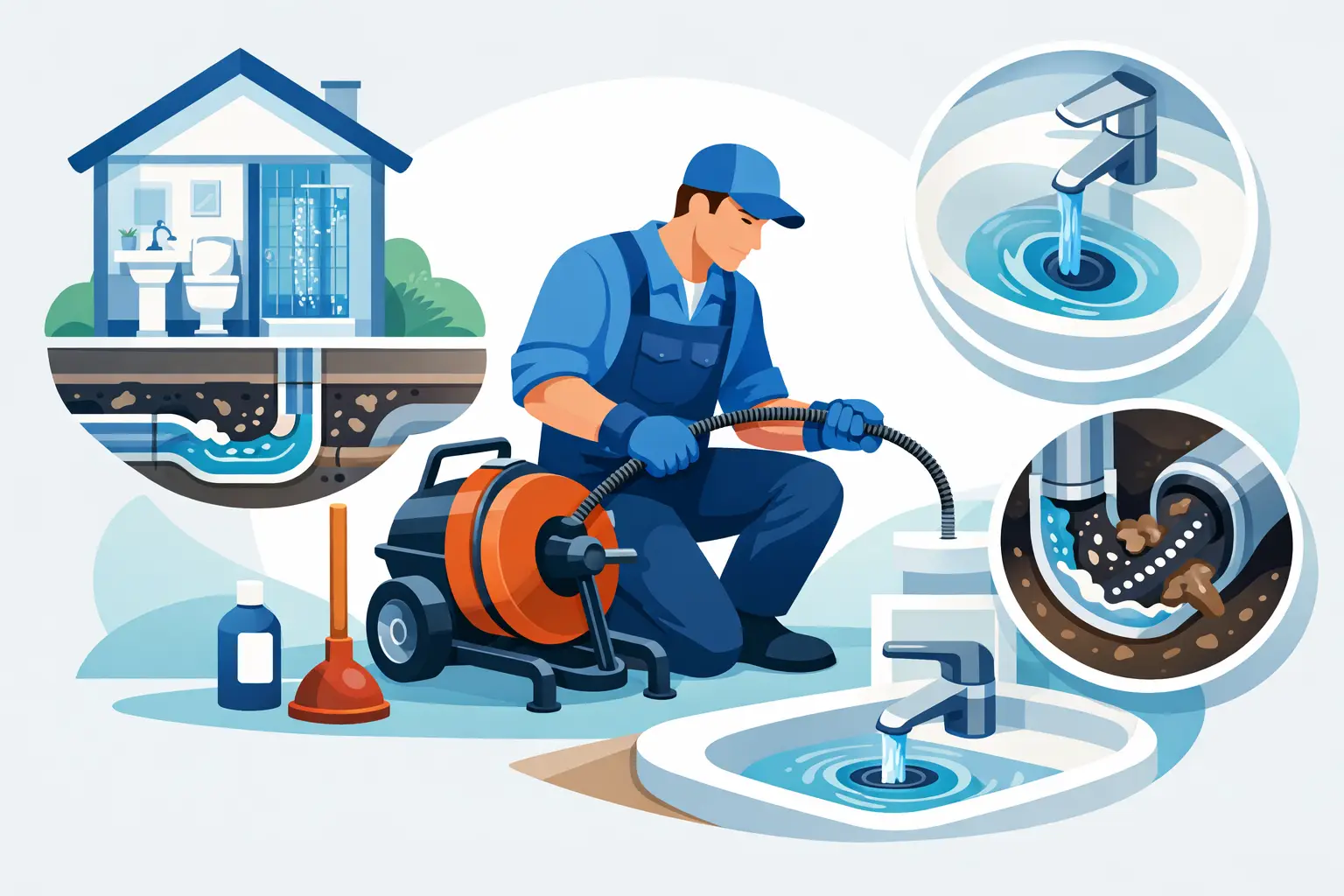
A slow kitchen sink is inconvenient. A toilet that backs up, a shower drain that floods, or water rising in more than one fixture can quickly become a property-damage problem. This drain cleaning service guide explains what a professional drain service does, when to call for help, and how to protect your home or rental property from repeat clogs.
What a Drain Cleaning Service Actually Does
Drain cleaning is more than pulling a little hair from a bathroom sink. A qualified plumber identifies where the blockage is, what is causing it, and whether the issue is limited to one fixture or affecting a larger section of the drain system.
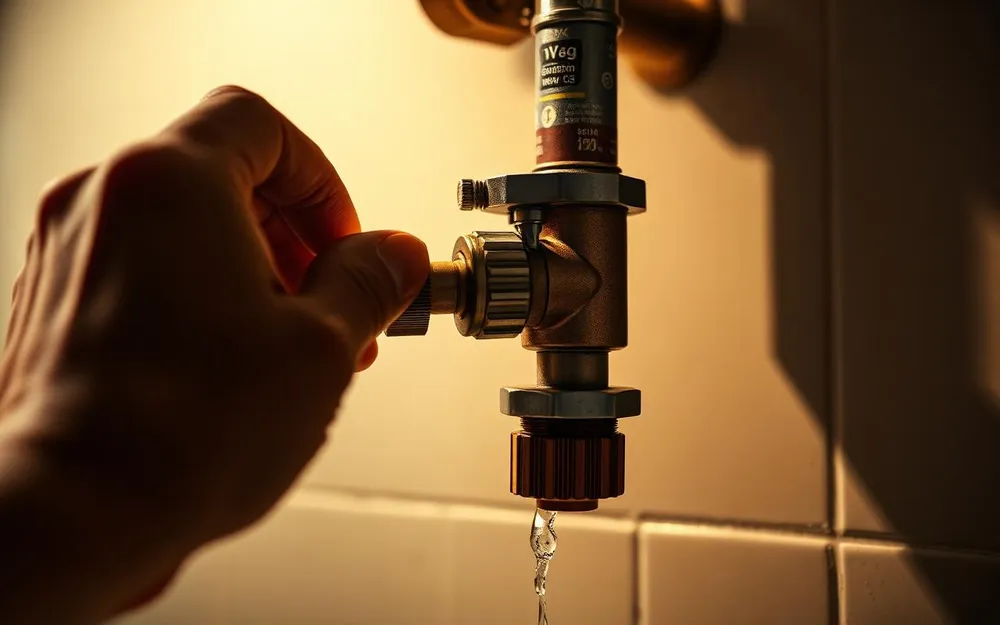
For a simple, local clog, the solution may be mechanical cleaning with a drain cable or auger. The tool breaks through or removes the material blocking the pipe so water can move normally again. This is often effective for hair, soap buildup, food debris, and small foreign objects.
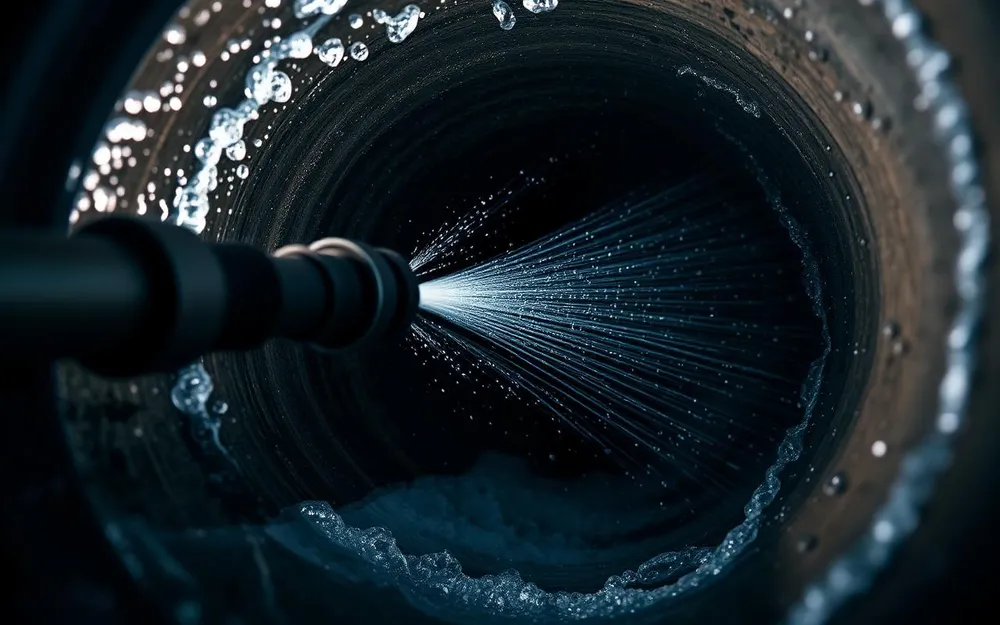
For recurring clogs, multiple slow drains, or a main line problem, a plumber may recommend more advanced cleaning. Hydro jetting uses controlled high-pressure water to clear grease, scale, sludge, and debris from the inside of suitable pipes. A drain camera inspection can also show whether the real problem is buildup, a damaged pipe, root intrusion, or an offset connection underground.
The right method depends on the pipe material, the location of the blockage, and the condition of the plumbing. The goal is not just to get water moving for the afternoon. It is to address the reason the drain keeps failing.
Signs You Need Professional Drain Cleaning
A plunger can handle many minor toilet clogs, and cleaning a sink stopper may solve a slow bathroom drain. But certain warning signs call for a professional before the problem turns into an overflow or a sewer backup.
If the same drain clogs again shortly after you clear it, there is likely buildup farther down the line. Store-bought products may open a small channel through the blockage without removing it completely. The drain appears fixed, then clogs again when more water and debris reach the pipe.
Pay close attention when more than one fixture is affected. A bathtub that gurgles when the washing machine drains, a toilet that bubbles when the sink is used, or water backing up into a shower can point to a blockage in a shared branch line or the main sewer line. Those are not situations to wait out.
Call for service promptly when you notice any of the following:
- Sewage odors near drains, floors, or outdoor cleanouts
- Water backing up into a tub, shower, or floor drain
- Frequent toilet overflows or a toilet that will not flush normally
- Gurgling noises from drains or toilets
- Slow drainage throughout the house rather than at one fixture
- Visible water around a drain pipe, cabinet, or floor
For homeowners and property managers, fast action matters. Wastewater can damage flooring, walls, cabinets, and personal belongings. It can also create a sanitation concern that should be handled correctly.
Why Chemical Drain Cleaners Can Make Things Worse
Chemical drain cleaners are tempting because they are inexpensive and available everywhere. The problem is that they do not diagnose the clog, and they can create additional risk.
Many chemical products generate heat or use harsh ingredients to dissolve material. In some cases, they may damage older pipes, corroded metal, rubber seals, or certain plastic plumbing components. They can also leave caustic liquid sitting in a blocked pipe, which creates a hazard for anyone who later works on the drain.
These products are especially poor choices when a toilet, main line, or multiple drains are backing up. They will not remove tree roots, repair a broken sewer pipe, or correct an improperly sloped drain line. If you have already used a chemical cleaner, tell the plumber before work begins so the service can be handled safely.
A plunger used correctly or a small hand snake can be reasonable for a minor, accessible clog. Do not force tools aggressively into a drain if you are unsure what is blocking it. You can damage a fixture, push an object deeper, or make a repair more difficult.
The Professional Drain Cleaning Process
A reliable service visit should start with questions, not guesswork. The plumber will ask which fixtures are affected, when the problem started, whether the drains have clogged before, and whether there has been recent construction, landscaping work, or heavy rain.
Next comes testing. Running water at selected fixtures helps determine whether the blockage is near one drain or farther into the system. The plumber may check cleanouts, inspect exposed pipes, and look for signs of leaks or sewage backup.
For many clogs, mechanical drain cleaning is the first solution. The plumber selects the appropriate cable and cutting head for the pipe and blockage, then clears the line while protecting the fixture and surrounding work area. Afterward, the drain should be tested with sufficient water flow, not just a quick splash from the faucet.
If the blockage is recurring or the line cannot be properly cleared with standard equipment, camera inspection may be the next step. The camera provides a direct view inside the pipe. It can reveal heavy grease, root intrusion, cracks, separated pipe sections, or an object lodged in the line. This prevents homeowners from paying for repeated temporary cleanings when the pipe itself needs repair.
Hydro Jetting: When It Is Worth It
Hydro jetting is often a strong option for drain lines with thick grease, mineral scale, or repeated buildup. Rather than simply punching a hole through the clog, the water stream cleans much more of the pipe wall. It is particularly useful for some kitchen lines, small commercial drains, and main lines with persistent debris.
Still, hydro jetting is not automatically the best answer for every property. Older, damaged, or fragile pipes may need inspection before high-pressure cleaning is used. A professional plumber will consider the pipe material and condition before recommending it. Good service means using the method that fits the problem, not selling the most aggressive option.
How to Prevent Repeat Drain Clogs
Most drain problems develop gradually. Small habits can reduce buildup and help you catch issues before they become urgent.
In the kitchen, keep grease, cooking oil, coffee grounds, fibrous vegetables, and food scraps out of the drain. Even with a garbage disposal, many materials collect in the pipe over time. Run cold water when using the disposal, and avoid treating it like a trash can.
In bathrooms, use a hair catcher in showers and tubs. Remove hair from sink stoppers regularly. Only toilet paper and human waste should be flushed. Wipes labeled flushable, paper towels, cotton products, dental floss, and hygiene products can all create serious toilet and sewer clogs.
For landlords and property managers, clear tenant guidance can prevent expensive emergency calls. If a building has a history of root intrusion or grease buildup, scheduled maintenance may be more cost-effective than waiting for repeated backups.
Choosing a Drain Cleaning Service You Can Trust
The lowest quote is not always the best value, especially when wastewater is backing up into a home. Look for a plumbing company that explains what it found, what service it recommends, and whether there are signs of a deeper issue.
Ask whether the technician will test the drain after cleaning and whether a camera inspection is recommended for recurring problems. You should receive a clear explanation in plain language, along with honest guidance about repair options if the line is damaged.
Clean workmanship matters, too. Drain service can be messy, but a professional team should protect the work area, communicate clearly, and leave your property in good condition. Best Quality Plumbing Services focuses on practical diagnosis and dependable repairs so customers can get back to a working home or property without unnecessary confusion.
If water is backing up, sewage is present, or several drains are failing at once, do not keep testing fixtures to see if the problem improves. Stop using water where possible and arrange professional help. Acting early can be the difference between a straightforward drain cleaning and a much larger cleanup.