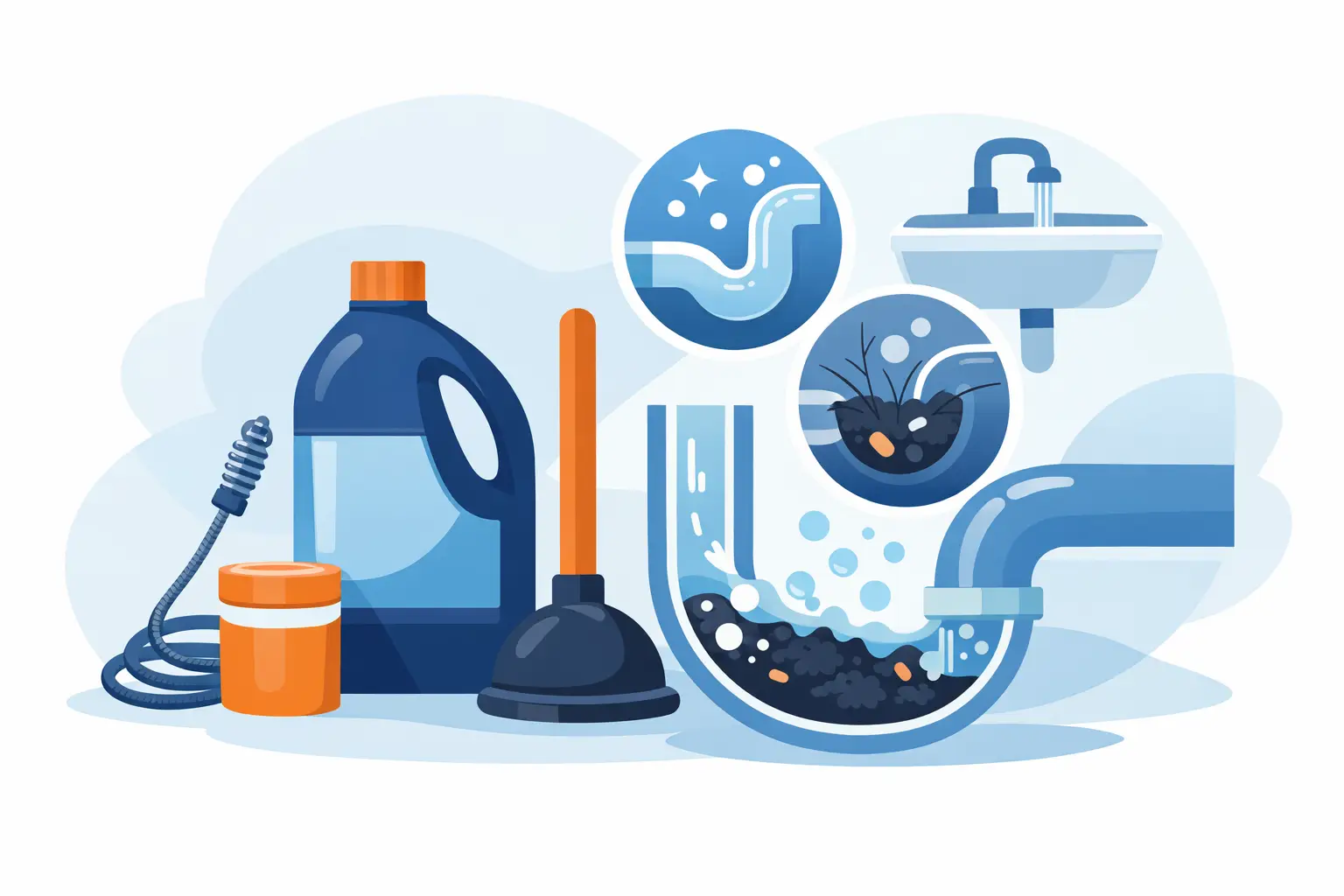
A sink that will not drain before work, a shower backing up before guests arrive, or a toilet threatening to overflow can turn an ordinary day into a mess fast. When people search for a drain cleaner and clog remover, they usually want one thing - a quick fix that works without making the problem worse.
That is a reasonable goal. But with clogged drains, the real question is not just what clears the line today. It is what solves the problem safely, protects your plumbing, and keeps the clog from coming right back.
When a drain cleaner and clog remover makes sense
Not every clog needs professional service right away. A slow bathroom sink may simply have a small buildup of soap residue, toothpaste, and hair close to the drain opening. In that kind of case, a simple manual step like removing visible debris or using a basic plunger may be enough.
The trouble starts when store-bought products get treated like a cure for every drain issue. Some liquid drain cleaners can break down minor organic buildup, but they do not fix every type of blockage. Grease, wipes, heavy sludge, foreign objects, scale inside older pipes, and sewer line issues are a different story.
If the drain is only slowing down in one fixture and there are no signs of backup elsewhere, the clog may be small and local. If multiple drains are affected, if water backs up into another fixture, or if the clog returns after a short time, you are likely dealing with a deeper problem that a bottle on a shelf will not solve.
The difference between a quick chemical fix and a real repair
A lot of drain products are sold on speed. Pour, wait, flush, and move on. That sounds good when you are standing over a sink full of dirty water. But plumbing systems do not always respond well to shortcuts.
Chemical cleaners can sometimes open a partial clog, but they often leave some of the blockage behind. That leftover material becomes a starting point for the next clog. In other words, the drain may look fixed while the real restriction is still there.
There is also the pipe condition to think about. Older metal pipes, weakened joints, and certain types of existing damage can react badly to repeated chemical use. Heat-generating formulas and harsh ingredients may increase wear over time. For newer plumbing, the risk may be lower, but it still depends on the product, the type of pipe, and how often it is used.
That is why professional drain clearing focuses on the cause, not just the symptom. A plumber can identify whether the blockage is near the opening, deeper in the branch line, or part of a larger drainage issue. That changes the solution completely.
Signs the clog is bigger than a bottle can handle
Some drain problems tell on themselves. If your kitchen sink gurgles when the dishwasher runs, if your tub fills with water when the washing machine drains, or if sewage odors are coming from a floor drain, the issue may be beyond a simple sink stoppage.
A few warning signs should always be taken seriously. One is repeated clogs in the same drain. Another is more than one fixture draining slowly at the same time. Water backing up in the lowest drain in the house is another red flag. So is any sign of overflow, standing wastewater, or foul smell that lingers.
These cases often point to a blockage farther down the line, venting trouble, or a sewer-related issue. Using more chemical cleaner in that situation can waste time and create a harsher, messier job when a plumber arrives.
Why some clogs keep coming back
Recurring clogs are usually a sign that the drain was never fully cleared or that something in the system is encouraging buildup. Kitchen drains often collect grease, food particles, and soap film along the pipe walls. Bathroom drains commonly trap hair and hygiene product residue. In rental properties and commercial restrooms, wipes and paper products are frequent causes.
Pipe condition matters too. Older drain lines may have rough interior surfaces that catch debris more easily. Bellied, misaligned, or partially collapsed sections can slow drainage and create recurring stoppages. Tree root intrusion in sewer lines is another common source of repeat backups.
This is where a professional diagnosis pays off. The right fix may be drain snaking, hydro jetting, trap cleaning, fixture disassembly, or camera inspection. Each has a purpose, and the best choice depends on what is actually in the line and where the blockage sits.
Safer first steps before you call
If the drain has just started slowing down, there are a few practical things you can do before scheduling service. First, stop using that fixture so the backup does not get worse. If it is a sink or tub, remove any visible hair or debris near the drain opening. A standard plunger can help with some localized clogs, especially in sinks and tubs, if used correctly.
Hot water may help with light soap residue, but it is not a cure for a solid blockage. If grease is involved, adding more hot water can move the problem farther down the line instead of eliminating it. And if you have already poured a chemical cleaner into the drain, do not keep adding products. Mixing formulas or applying repeated treatments can create safety risks for anyone working on the drain later.
If there is standing water, repeated slow drainage, or any sign the clog is affecting more than one fixture, it is time to bring in a professional.
What professional drain clearing does better
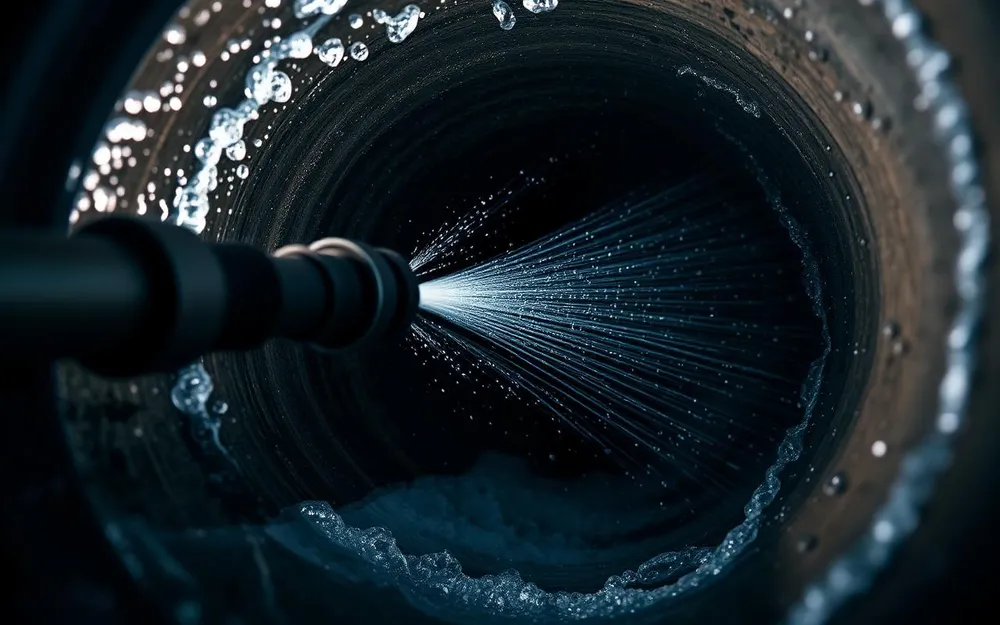
A professional service call is not just about stronger tools. It is about knowing which tool fits the job. A hand snake may clear a simple bathroom sink clog. A powered auger may be needed for a tougher blockage deeper in the line. Hydro jetting can cut through grease and heavy buildup in certain systems, but it is not automatically right for every pipe.
That matters because too much force in the wrong pipe can cause damage, while too little force leaves the clog behind. An experienced plumber checks the fixture, the drain behavior, the age of the plumbing, and the likely material causing the blockage. That approach is faster, cleaner, and more reliable than guessing.
For homeowners and property managers, it also reduces repeat service calls. If the line is cleared properly and the underlying issue is identified, you are less likely to deal with the same backup next week.
Choosing help when you need it fast
When a drain issue is disrupting your home or property, speed matters. So does workmanship. You want a plumber who can respond quickly, explain the problem plainly, and recommend the right repair without turning a simple job into a sales pitch.
A dependable local company should be ready to handle common drain and clog issues in kitchens, bathrooms, utility areas, and main lines. Just as important, they should know when a clog is actually a symptom of a larger plumbing problem. That kind of judgment protects your home from wasted time, repeat backups, and water damage.
At The Best Quality Plumbing, the priority is straightforward service that gets your plumbing back to normal with as little disruption as possible. That means clear communication, practical solutions, and work done with care.
How to reduce future drain clogs
Prevention is usually less expensive than emergency service. In kitchens, keep grease, coffee grounds, fibrous food scraps, and starchy leftovers out of the drain. In bathrooms, use drain screens where possible and avoid flushing wipes, paper towels, or hygiene products even if packaging claims they are flushable.
It also helps to pay attention to early changes. A sink that drains a little slower than usual, a toilet that bubbles, or a shower that starts holding water for a few extra minutes can all be early warning signs. Catching those problems early often means a simpler fix.
The best drain cleaner is not always a product in a bottle, and the best clog remover is not always the fastest-looking option on the shelf. Sometimes the smartest move is a careful first step at home. And sometimes the safest, most cost-effective choice is calling a plumber before a slow drain turns into a backup, a leak, or a much bigger repair.