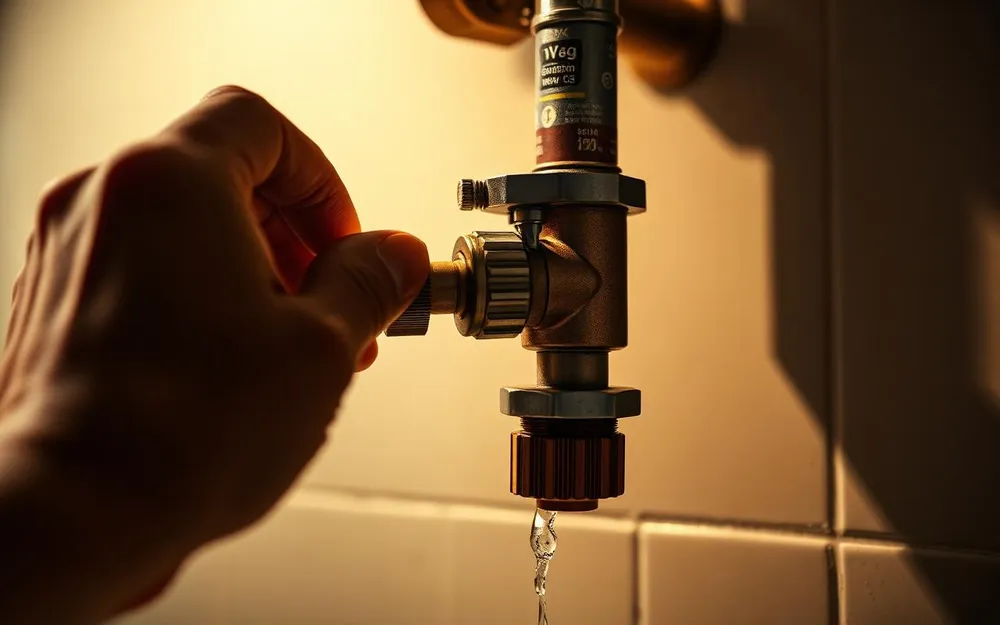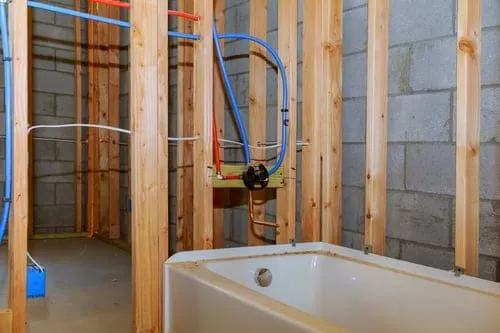
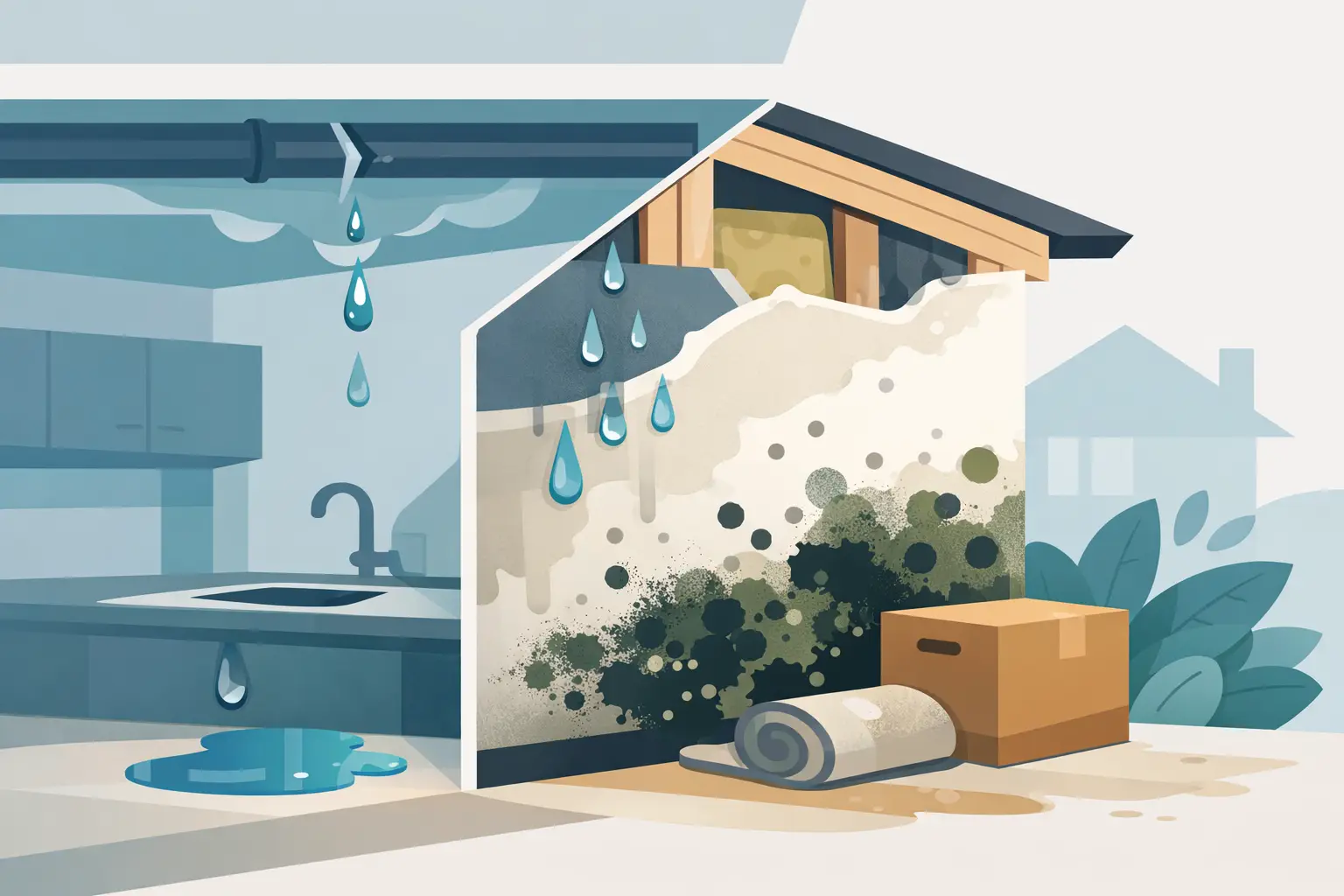
A slow drip under a sink can seem like a minor annoyance, especially when there is no puddle on the floor. But can small leaks cause mold? Absolutely. A small, ongoing leak can provide enough moisture for mold to grow behind cabinets, inside walls, under flooring, or around fixtures long before you see obvious water damage.
The problem is not always the amount of water. It is the length of time that moisture stays trapped where air cannot dry it out. Addressing a small plumbing leak early is usually a straightforward repair. Waiting can turn it into a mold cleanup, damaged drywall, warped flooring, and a much larger repair bill.
How Small Leaks Create the Right Conditions for Mold
Mold needs moisture, a food source, and time. Homes provide plenty of materials mold can grow on, including drywall paper, wood framing, insulation, carpet backing, dust, and cabinet materials. A hidden leak supplies the missing ingredient: steady moisture.
Mold can begin growing within 24 to 48 hours when a wet area stays damp. That does not mean every drip will immediately create a visible mold problem. A leak in an open, well-ventilated area may dry between uses. A leak under a kitchen sink, behind a toilet, below a shower pan, or inside a wall has far less opportunity to dry out.
This is why a leak that only happens when the dishwasher runs or when someone takes a shower can still cause serious damage. Repeated small amounts of water can soak the same materials over days or weeks. By the time a musty odor or stain appears, the affected area may be larger than it looks from the outside.
Where Small Plumbing Leaks Commonly Lead to Mold
Some leaks are easy to spot. Others stay hidden until moisture has already spread. Pay close attention to areas that use water every day and have enclosed spaces where dampness can linger.
Under Sinks and Behind Cabinets
Loose drain connections, worn supply lines, and leaking garbage disposal seals often drip into the cabinet below the sink. Cabinet bottoms can absorb water and swell. The wall behind the cabinet may also remain wet, especially if the leak runs down a pipe opening.
Check under sinks with a flashlight. Look for soft wood, staining, peeling laminate, rust on shutoff valves, or a stale odor. Do not assume a dry-looking cabinet means there is no problem. A slow leak can travel along a pipe or behind the cabinet before becoming visible.
Around Toilets, Tubs, and Showers
A toilet that shifts when used, a failing wax ring, or a cracked toilet base can allow small amounts of water to seep onto the floor. Shower leaks may come from a worn drain seal, damaged grout, a faulty valve, or a problem behind the wall.
Bathrooms are already humid, so a small leak can be hard to separate from normal condensation. Persistent damp flooring, loose tile, bubbling paint, or darkened caulk deserve attention. Water around a toilet is not something to ignore, even if it appears only occasionally.
Inside Walls and Ceilings
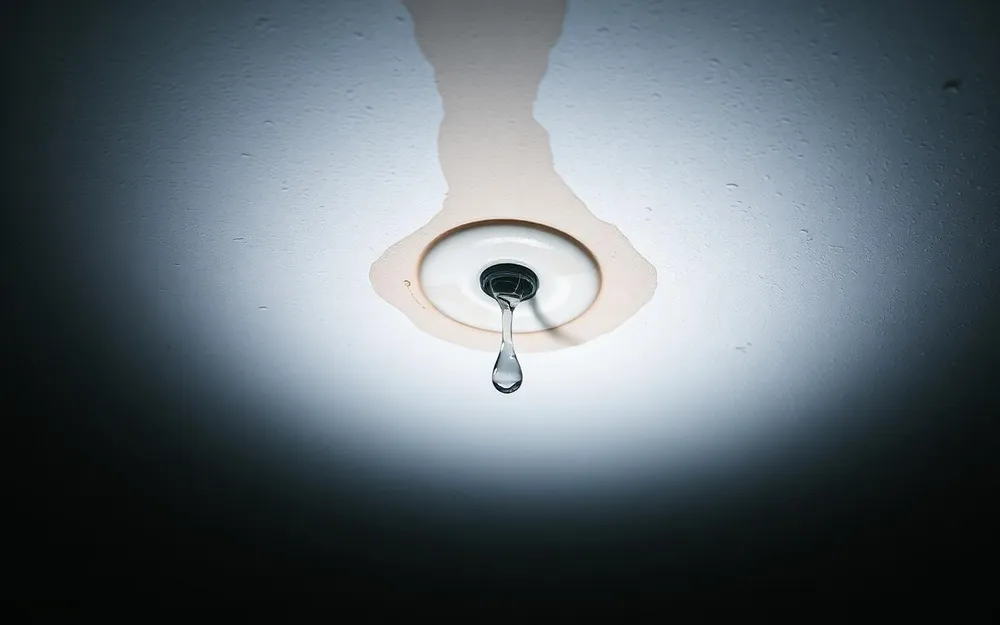
Leaks from supply pipes, drain lines, upstairs bathrooms, and refrigerator water lines can wet wall cavities or ceilings without making noise. A yellow-brown ceiling stain, peeling paint, or a soft spot in drywall may be the first visible warning.
Ceiling leaks require quick action. Water can spread outward from the original source, so the stain is not always directly below the leaking pipe. The plumbing issue must be identified and repaired before damaged materials are closed up or repainted.
Beneath Floors and Around Appliances
Dishwashers, washing machines, water heaters, and refrigerators with ice makers can all develop slow leaks. Water under vinyl, laminate, carpet, or hardwood may remain hidden for a long time. Flooring may start to buckle, feel soft, separate at seams, or develop an unexplained odor.
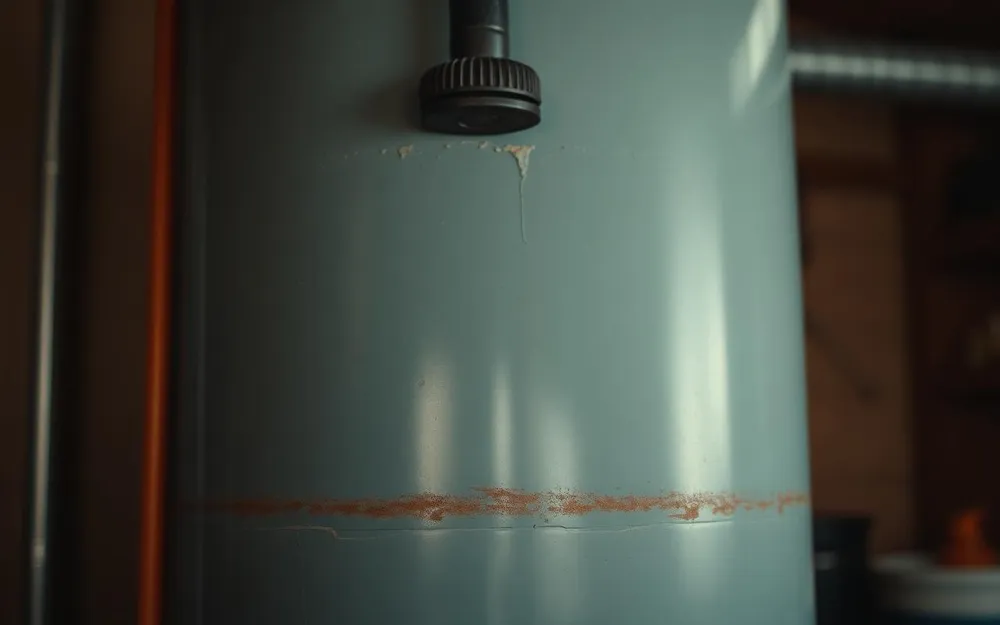
A water heater leak deserves particular attention. What begins as a small drip from a fitting, valve, or tank can worsen without warning. If you see moisture around the unit, have it inspected rather than waiting for a larger failure.
Warning Signs You May Have a Hidden Leak and Mold Problem
Visible mold is a clear sign, but it is not the only one. Mold often grows in concealed spaces first. Watch for a musty smell that returns after cleaning, staining on walls or ceilings, paint that bubbles or peels, warped baseboards, or flooring that feels unusually soft.
You may also notice that a cabinet has a damp smell, a wall feels cool and clammy, or your water bill rises without a clear reason. In some cases, the sound of water moving when all fixtures are off can point to a supply-line leak.
Mold can be black, green, gray, white, or brown. Color alone does not tell you how serious it is. The priority is controlling moisture and finding the source. Wiping away surface mold without repairing the leak only allows it to return.
What to Do When You Find a Small Leak
Start by limiting the water. If the leak is under a sink or at a toilet supply line, turn off the nearby shutoff valve if you can do so safely. Place a container or towels beneath the leak, then dry the surrounding area as thoroughly as possible.
Do not rely on tape, caulk, or a bucket as a permanent solution. Temporary measures can buy time, but they do not repair a failed pipe connection, corroded line, damaged drain, or worn seal. If the leak is behind a wall, beneath a floor, or coming through a ceiling, avoid opening materials unless you know the source and can do so safely.
For a small, accessible leak with no visible damage, a prompt plumbing repair may be all that is needed. If water has been present for more than a day or two, materials are soft, or mold is visible over a larger area, additional drying and remediation may be necessary. The right approach depends on where the water traveled and what materials stayed wet.
Why Fast Plumbing Repair Makes a Difference
A professional plumber can locate the source of a leak, repair the failed component, and help determine whether water has affected nearby pipes, fixtures, or materials. This matters because the visible drip is not always the real issue. A loose fitting may be part of a larger pressure, drainage, or fixture problem.
Fast repair also helps protect the parts of a home that are expensive to restore. Replacing a supply line or drain seal is generally far less disruptive than removing mold-damaged cabinets, drywall, insulation, or flooring.
For landlords and property managers, responding quickly also helps protect tenants and reduce downtime. For homeowners, it brings back the peace of mind that comes from knowing a small plumbing concern is not quietly spreading behind finished surfaces.
When to Call a Plumber Right Away
Call for plumbing service promptly if a leak keeps returning, water is coming through a ceiling, a toilet leaks at its base, flooring is swollen, or you smell mildew near a plumbing fixture. You should also call if you cannot find the source of moisture or need to shut off your main water supply to stop the leak.
Best Quality Plumbing Services helps homeowners and property managers identify leaks, make dependable repairs, and prevent water problems from becoming larger restoration projects. If something in your home stays damp, smells musty, or shows signs of water damage, treating it early is the practical move.