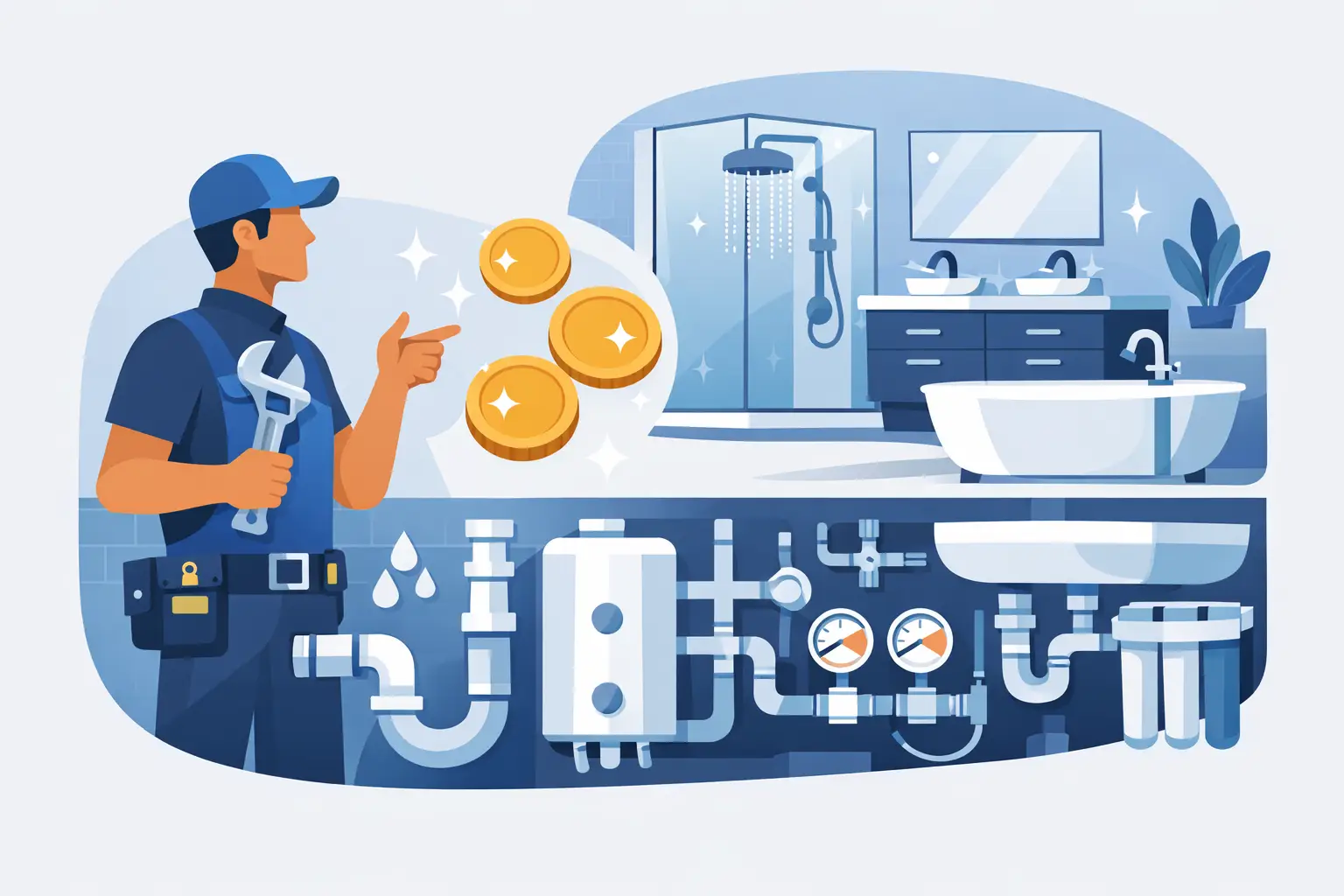
A bathroom can look clean and updated while hiding a weak supply line, a slow drain, or a toilet that wastes water every day. The best bathroom plumbing upgrades address the parts you use constantly and the problems that can turn into water damage, high utility bills, or an inconvenient emergency.
For most homeowners, the right upgrade is not necessarily the most expensive fixture. It is the improvement that makes the bathroom more dependable, easier to maintain, and better suited to the household. A qualified plumber can inspect the existing pipes, shutoff valves, drain condition, and water pressure before recommending work that fits the space and budget.
Best Bathroom Plumbing Upgrades for Daily Use
Replace an aging toilet
An older toilet is often the first place to look. Constant running, weak flushing, a loose base, frequent clogs, or water around the bottom are all signs that repair or replacement may be needed. Some issues are minor, such as a worn flapper or fill valve. Others point to a cracked fixture, a failing wax ring, or a drain problem that should not be ignored.
A modern high-efficiency toilet can reduce water use without sacrificing flushing performance. This is especially worthwhile in homes with toilets installed before current water-efficiency standards. Dual-flush models give users a lower-water option for liquid waste, while comfort-height toilets can be easier for many adults and older family members to use.
The trade-off is that toilet performance depends on more than the fixture itself. A new toilet cannot correct a partially blocked drain line, improper venting, or an uneven floor. Professional installation helps ensure the toilet is properly secured, sealed, and tested for leaks.
Upgrade worn shutoff valves and supply lines
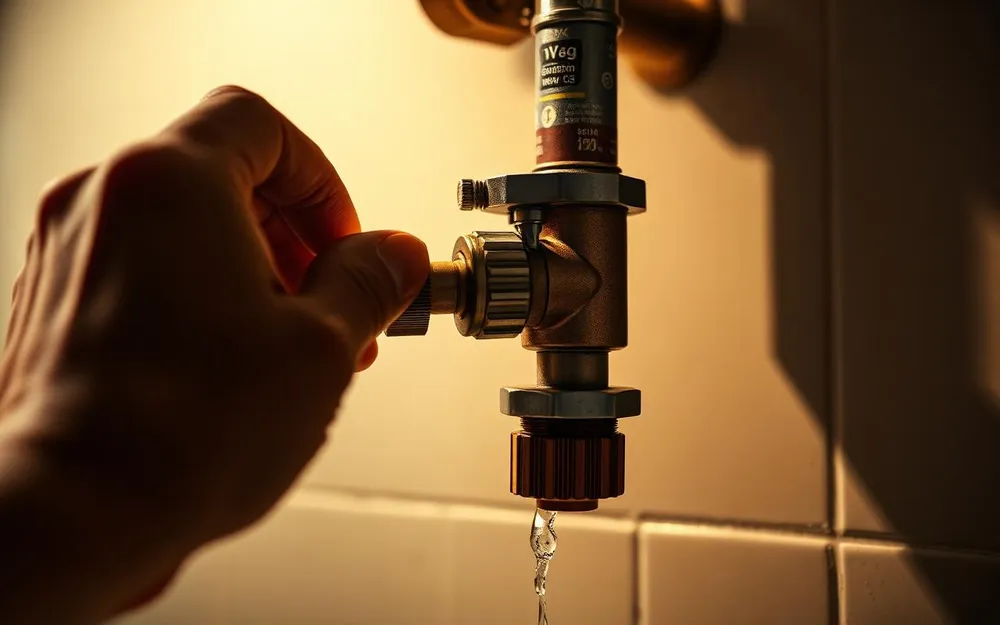
Small parts cause a surprising number of bathroom leaks. The shutoff valves behind the toilet and under the sink should turn easily and fully stop the water flow. If a valve is corroded, stuck, dripping, or difficult to operate, replacing it before an emergency is a smart move.
Braided stainless-steel supply lines are another practical upgrade when existing connectors are old, brittle, corroded, or poorly fitted. These lines connect fixtures to the home’s water supply, and a failed line can release a significant amount of water in a short time.
This work may not change the appearance of the room, but it makes future repairs faster and safer. If a faucet or toilet starts leaking, a working local shutoff valve can prevent damage while a plumber is on the way.
Install a reliable shower valve
If the shower temperature suddenly turns hot or cold when someone uses a sink, flushes a toilet, or starts the washing machine, the shower valve may be outdated or failing. Replacing it with a pressure-balancing or thermostatic valve improves temperature control and helps reduce scalding risk.
A pressure-balancing valve adjusts when water pressure changes. A thermostatic valve is designed to maintain a selected water temperature more precisely. The right choice depends on the home’s plumbing system, water heater capacity, fixture setup, and budget.
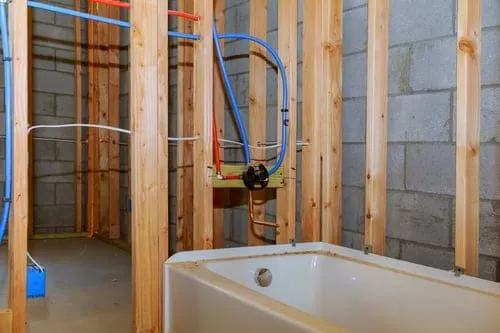
Shower valve replacement can require opening a wall, especially when the existing valve is old or incompatible with the new trim. This is why it is best handled as part of a planned bathroom update or by a plumber who can access, install, and test the valve correctly.
Choose a water-efficient showerhead
A quality low-flow showerhead is one of the simplest ways to lower water use. Older showerheads may use substantially more water than current efficient models. Newer designs can still provide satisfying spray patterns and good coverage, so conserving water does not have to mean a weak shower.
Before replacing the showerhead, consider the home’s water pressure. A shower that already feels weak may have mineral buildup, a partly closed valve, pipe restrictions, or a pressure issue. Installing a more efficient fixture will not solve those underlying conditions. A plumber can determine whether the problem is at the fixture or farther back in the system.
Replace a leaking or outdated bathroom faucet
A faucet that drips, has low flow, wobbles at the base, or leaves water beneath the sink should be inspected. Sometimes a cartridge, aerator, or seal can be replaced. If the fixture is heavily corroded, difficult to repair, or no longer matches the bathroom’s needs, replacement is often the better long-term decision.
Single-handle faucets are simple to operate and can make temperature adjustments easier. Widespread faucets offer a more traditional appearance and flexibility in sink design. Wall-mounted faucets create open counter space but require careful rough-in work behind the wall.
Do not select a faucet based on appearance alone. The faucet must fit the sink’s mounting holes, countertop layout, drain assembly, and available water pressure. Correct installation also matters because a slow leak under a vanity can go unnoticed until it damages the cabinet, flooring, or wall.
Upgrades That Protect Against Leaks and Drain Problems
Add leak detection where it matters
A leak sensor near the toilet, under the vanity, or beside an accessible plumbing connection can provide an early warning before a small leak becomes a larger repair. Some systems sound an alarm locally, while others send alerts to a phone. More advanced whole-home systems can monitor water use and shut off the main supply when unusual flow is detected.
For a bathroom-only project, simple sensors are a cost-effective first step. Whole-home shutoff systems make more sense for homeowners who travel often, manage rental properties, or have experienced water damage before. They still need proper installation and occasional testing to be dependable.
Improve slow or unreliable drains
A bathroom sink or tub that drains slowly is not always a minor annoyance. Hair, soap residue, toothpaste buildup, and debris often collect near the drain opening or trap. Repeated chemical drain cleaner use can damage certain pipes and seals, especially if the product sits in the line or is mixed with another cleaner.
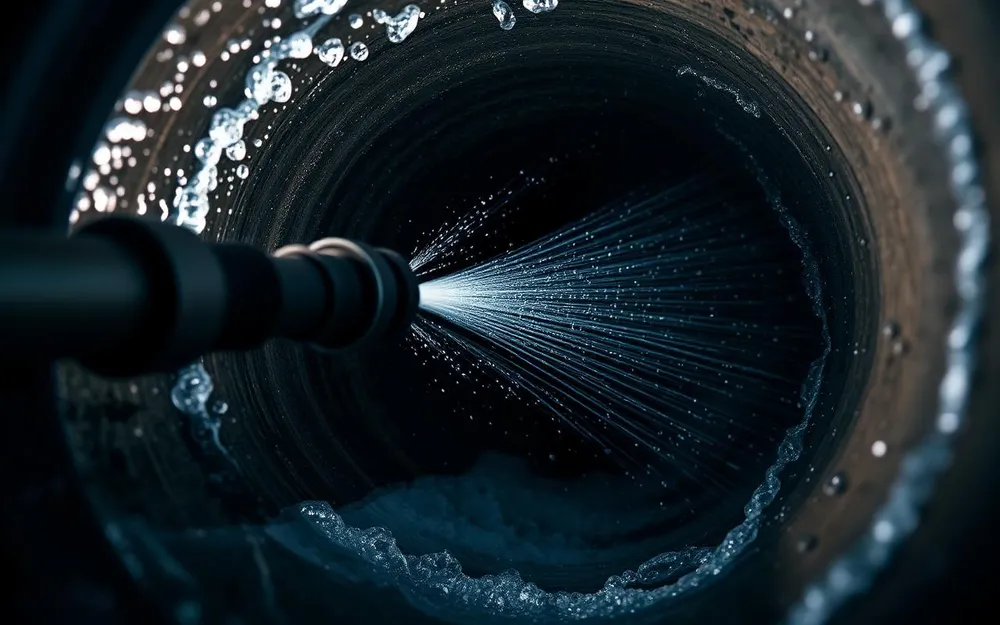
Professional drain cleaning removes buildup without guessing at the cause. If clogs keep returning, the issue may involve an incorrect drain slope, a damaged pipe, venting concerns, or a restriction farther down the line. A camera inspection can be useful when symptoms are persistent or when a property has older plumbing.
During a renovation, consider whether the existing drain location and size support the fixtures being installed. Moving a shower, tub, or sink may involve more than rerouting water lines. Drain and vent changes often require careful planning, and local permit requirements may apply.
Update old supply or drain piping when walls are open
If bathroom walls or floors are already being opened for a remodel, it may be the right time to inspect aging pipes. Corroded galvanized steel, failing cast iron, or repeatedly repaired lines can create ongoing water-quality, pressure, and drainage concerns.
Pipe replacement is a larger investment, so it should be based on the condition of the system rather than age alone. A plumber can look for corrosion, active leaks, recurring clogs, discolored water, and pressure loss. Replacing only the problem area can be reasonable in some homes; in others, a broader update prevents repeat work later.
Plan the Project Before Picking Fixtures
Bathroom plumbing upgrades work best when the plan starts with the existing system. Measure the space, confirm fixture locations, and decide what problems you want the project to solve. A beautiful new vanity is frustrating if it blocks access to shutoff valves, and a new shower setup is disappointing if the water heater cannot keep up with demand.
Ask a plumber to identify what can be repaired, what should be replaced, and what work may require permits or inspections. This is particularly important when moving plumbing, replacing concealed valves, altering drain lines, or changing the water supply configuration. Clear answers before work begins help avoid change orders and delays.
For homeowners and property managers in Sylmar, San Fernando, Granada Hills, and nearby communities, a professional assessment can separate a simple fixture replacement from a problem that needs attention behind the wall. Best Quality Plumbing Services focuses on clear recommendations and workmanship that helps keep the bathroom functioning after the project is finished.
Start with the upgrade that removes the biggest daily frustration or reduces the greatest risk. A dependable shutoff valve, a leak-free toilet, or a properly draining shower may not be the flashiest change, but it can make the bathroom far easier to live with every day.