A damp basement is not a problem to watch for a few weeks. Water can move behind finished walls, under flooring, and into stored belongings long before a puddle becomes obvious. The right basement water leak solutions begin with identifying where the water is coming from, then fixing the source instead of repeatedly cleaning up the result.
For homeowners, landlords, and property managers, speed matters. A small leak can lead to mold growth, damaged drywall, warped flooring, electrical concerns, and expensive restoration work. Some water problems are caused by plumbing. Others come from drainage, grading, cracks, or groundwater. The repair only works when it matches the cause.
Basement Water Leak Solutions Start With the Source
The first question is simple: is the water coming from inside the plumbing system or outside the home? The timing and location of the moisture often provide useful clues.
Water that appears near a water heater, laundry connection, bathroom, utility sink, exposed pipe, or drain line may point to a plumbing issue. A steady wet spot, even during dry weather, is another warning sign. If the water meter continues to move after all fixtures and appliances are turned off, a hidden supply-line leak may be present.
Water that appears after rain, near foundation walls, around window wells, or at the base of exterior-facing walls is more likely connected to drainage or groundwater. A basement that smells musty but does not show standing water can still have ongoing moisture intrusion behind walls or beneath flooring.
Do not assume every basement leak is a foundation problem. A failed washing machine hose, pinhole leak in a copper line, loose water heater connection, clogged floor drain, or leaking sewer line can create the same urgent mess. A professional inspection helps separate a plumbing repair from a waterproofing or drainage project, so you do not spend money on the wrong fix.
Signs the leak may be plumbing-related
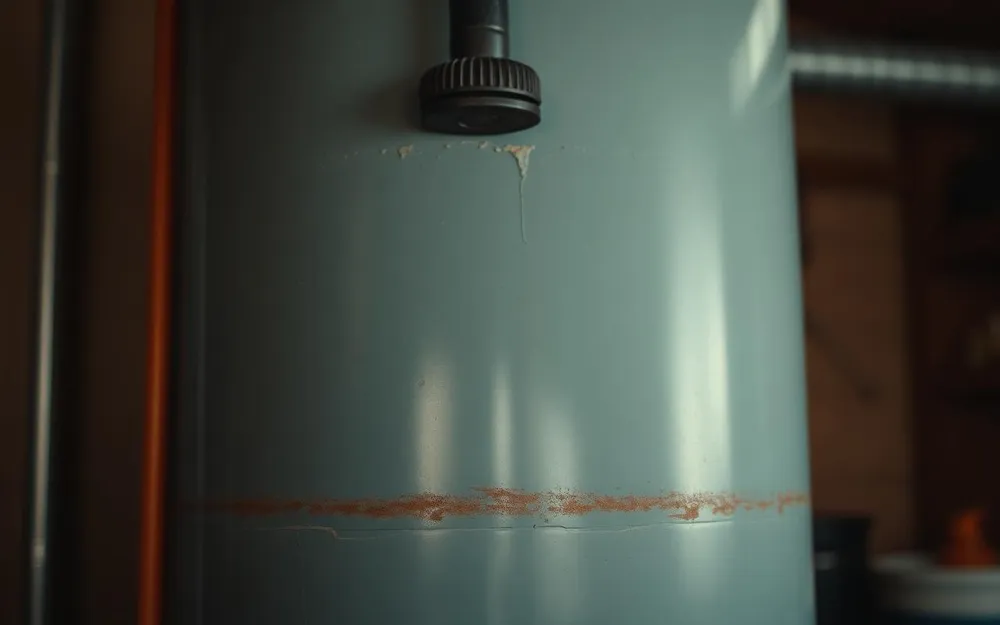
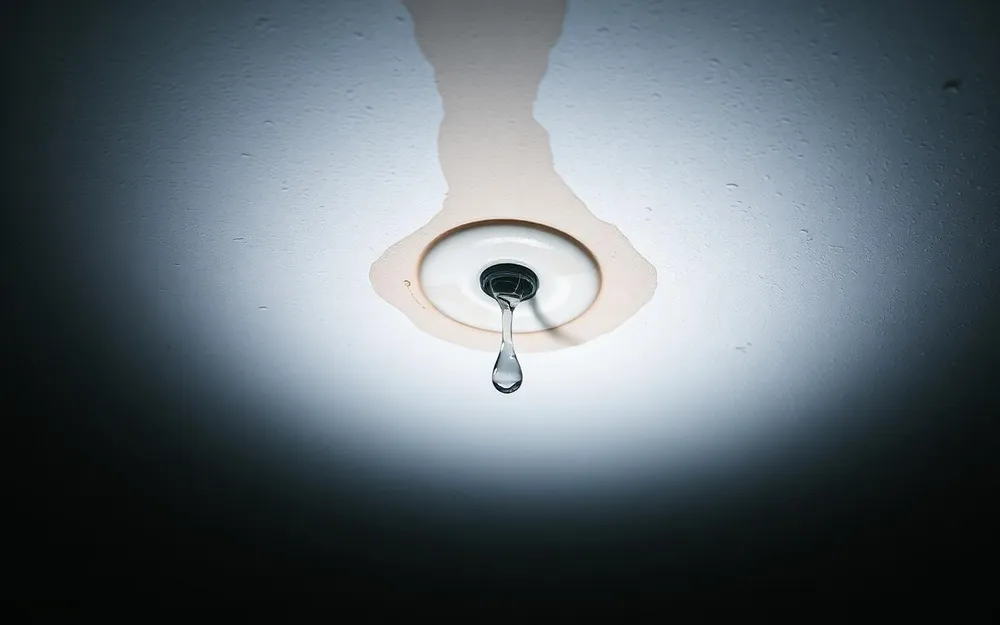
Plumbing leaks often leave evidence beyond the water itself. Look for a sudden increase in your water bill, reduced water pressure, a hissing sound near pipes, warm spots on a concrete floor, or discoloration on a ceiling below a bathroom or kitchen. Rust around pipe joints and water heater fittings also deserves prompt attention.
A drain or sewer problem may produce slow drains, gurgling fixtures, sewage odors, or water backing up through a basement floor drain. This is not a situation to manage with repeated chemical drain cleaner. The blockage, damaged pipe, or sewer issue needs to be located and repaired safely.
Stop Active Water Before It Spreads
If water is actively entering the basement, focus first on limiting damage. Move boxes, furniture, electronics, and other belongings away from the wet area. If it is safe to do so, shut off the water supply to the affected fixture. For a major plumbing leak, use the home's main water shutoff valve.
Avoid standing water near outlets, extension cords, appliances, or electrical panels. Do not walk through water if you suspect an electrical hazard. If the water is dirty, sewage-contaminated, or coming from an unknown source, keep people and pets out of the area until the problem is assessed.
A wet vacuum, towels, and fans can help with a small amount of clean water, but drying the visible surface is only part of the job. Wet drywall, insulation, carpet padding, and wood framing can hold moisture. If water has soaked into finished materials, the area may need professional drying and damage assessment after the leak is stopped.
Match the Repair to the Actual Problem
There is no single repair for every basement water issue. Good results come from a clear diagnosis and a repair plan that addresses the condition causing the leak.
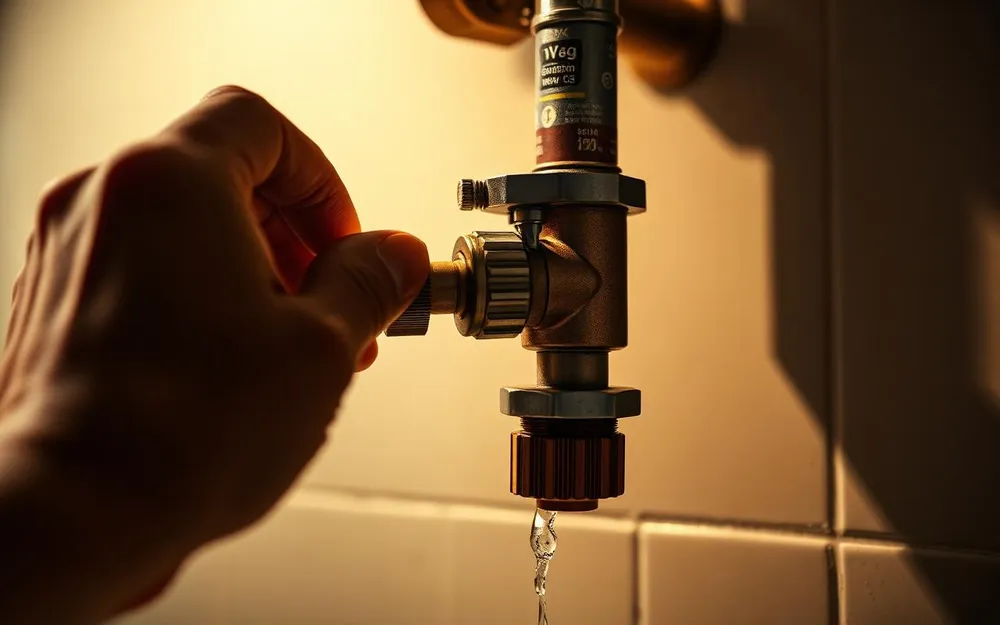
For exposed plumbing leaks, the solution may be as direct as replacing a worn valve, repairing a damaged fitting, replacing a corroded section of pipe, or installing new supply hoses. A temporary patch may slow a drip, but it is not a dependable repair for aging, weakened, or corroded pipe.
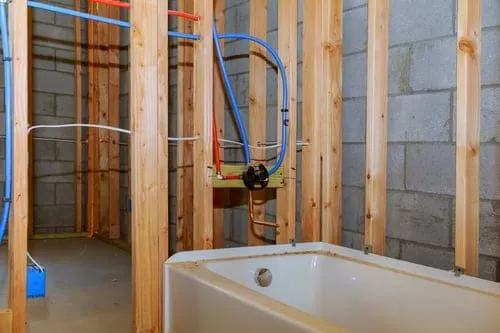
Hidden leaks need more careful investigation. A plumber may inspect fixtures, pressure-test lines, check the water meter, and use appropriate leak-detection methods to narrow down the source. Opening walls or flooring without a plan can create unnecessary damage. Locating the leak first keeps repairs more targeted.
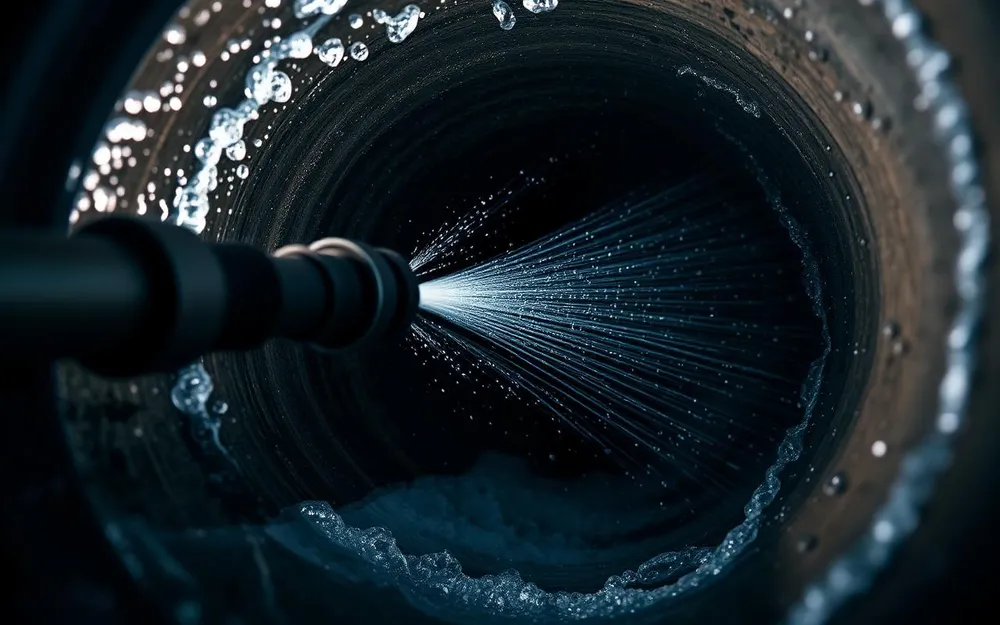
For drain and sewer issues, the answer depends on the line's condition. A clog may require professional drain cleaning. Recurring backups, root intrusion, cracked piping, or a collapsed section of line may call for camera inspection and repair or replacement. If a basement floor drain backs up during heavy use elsewhere in the home, treat it as a warning sign rather than an inconvenience.
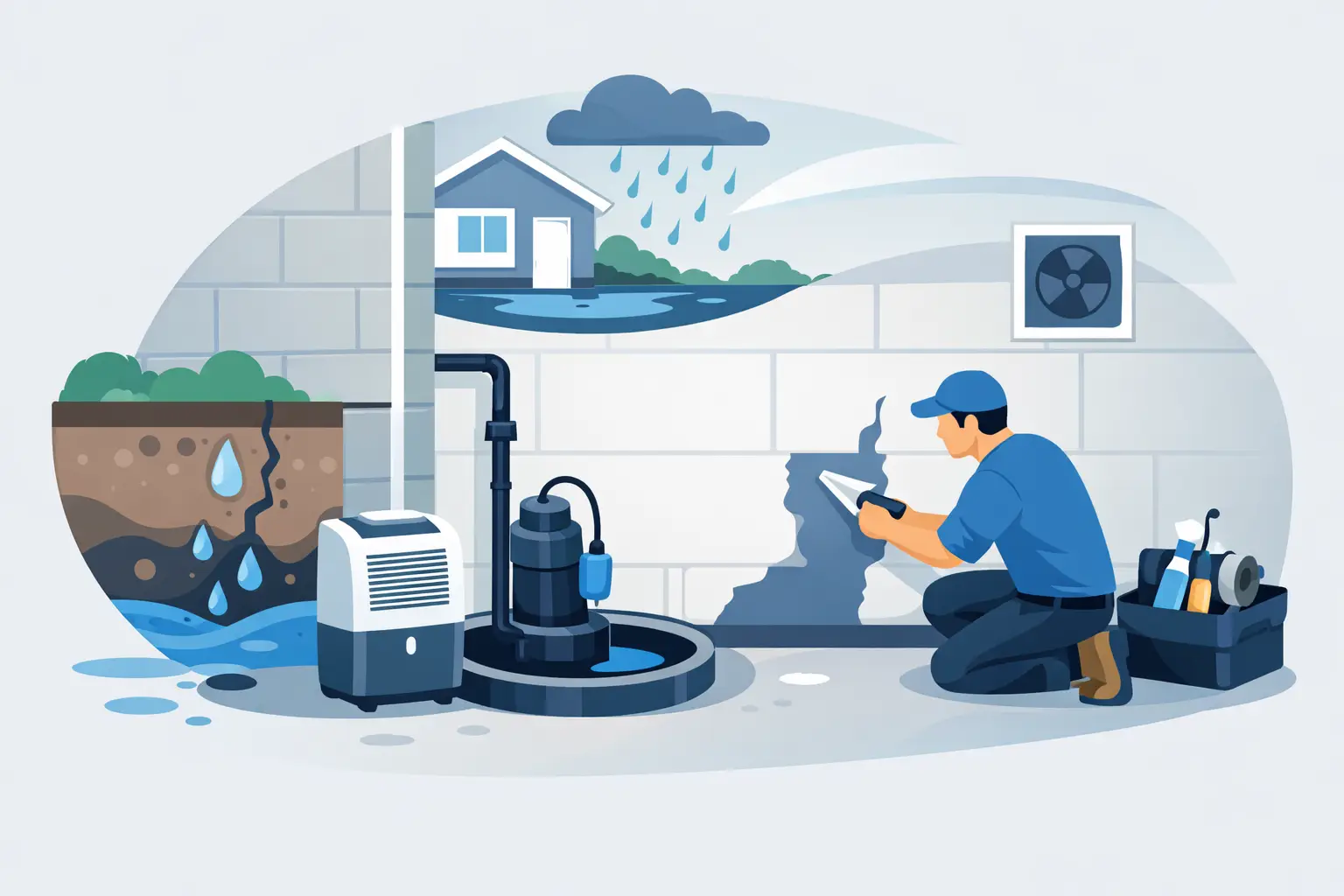
When the water is entering from outdoors, plumbing work may not be the primary fix. Clean gutters, properly directed downspouts, functional yard drainage, and grading that slopes away from the foundation can make a major difference. Sealing minor foundation cracks may help in limited situations, but crack sealant alone will not solve water pressure against the foundation or a drainage system that is sending rainwater toward the home.
A sump pump can also be an effective part of basement water management where groundwater is a concern. It needs to be correctly sized, installed, tested, and discharged away from the foundation. A sump pump without backup power may not protect the basement during a storm-related power outage, so homeowners in flood-prone areas should discuss backup options.
Repairs That Often Fall Short
A dehumidifier can make a basement feel drier, but it does not stop a leaking pipe or water pushing through a wall. It is useful for controlling humidity after repairs, not as a substitute for repairing the source.
Similarly, painting over stains, adding waterproof coating to an interior wall, or repeatedly caulking around a wet area can hide evidence temporarily. These measures may have a place after the main issue is corrected, but they are not reliable standalone basement water leak solutions.
Be cautious with quick fixes that do not explain why the water appeared. If a contractor immediately recommends extensive excavation, full waterproofing, or major pipe replacement without inspecting the system and discussing the evidence, get clarity before approving the work. The least expensive option is not always the best value, but neither is the largest repair. The right repair should fit the actual failure.
Prevent the Next Basement Leak
Once the basement is dry, a few routine checks can reduce the chance of another surprise. Inspect exposed pipes and appliance connections for drips, corrosion, and loose fittings. Replace aging washing machine hoses before they fail, and keep the area around the water heater clear enough to spot leakage early.
Outside, make sure downspouts carry water away from the house and that debris is not blocking gutters. Check window wells, exterior drains, and low spots near the foundation after heavy rain. If your property has a sump pump, test it regularly by slowly pouring water into the pit until the float activates the pump.
For rental properties and commercial spaces with basement storage or utility rooms, schedule periodic inspections rather than waiting for a tenant or employee to report a problem. A quick maintenance visit is far easier to coordinate than an emergency repair after inventory, furnishings, or equipment have been damaged.
When to Call a Plumber
Call for professional help when you cannot identify the source, water keeps returning, a pipe is actively leaking, a drain is backing up, or the water has reached finished walls or electrical areas. You should also call if you see signs of a hidden leak, such as unexplained water use, recurring dampness, moldy odors, or staining.
Best Quality Plumbing Services helps homeowners and property managers in the Sylmar and San Fernando Valley area diagnose plumbing-related basement leaks, make clear repair recommendations, and complete the work with care. If the problem points outside the plumbing system, a proper inspection can still help you avoid chasing the wrong repair.
Your basement does not need a temporary cover-up. Address the water early, protect the space, and choose a repair that gives you a dry, usable room again.